n the night of July 18, 1969—just as the world was fixated on the impending Apollo 11 Moon Landing—a far quieter but deeply consequential event unfolded on a small island off Martha’s Vineyard. U.S. Senator Ted Kennedy drove a car off a narrow wooden bridge on Chappaquiddick Island. His passenger, 28-year-old Mary Jo Kopechne, died in the submerged vehicle.
What followed was not only a fatal accident, but a controversy that would haunt Kennedy’s political career and raise enduring questions about accountability, privilege, and truth.
The Setting: A Reunion of “Boiler Room Girls”
The evening began innocuously enough. Kennedy had attended a small gathering on Chappaquiddick Island with a group of young women known as the “Boiler Room Girls,” former campaign staffers who had worked on his brother Robert F. Kennedy’s 1968 presidential campaign.
The party took place after a sailing regatta near Martha’s Vineyard. Kopechne, one of the attendees, was a well-regarded political aide who had built a reputation as intelligent, capable, and deeply involved in Democratic politics.
At some point late in the evening—around 11:15 p.m., according to Kennedy—he left the party with Kopechne. The stated intention was to drive her to a ferry landing so she could return to her hotel.

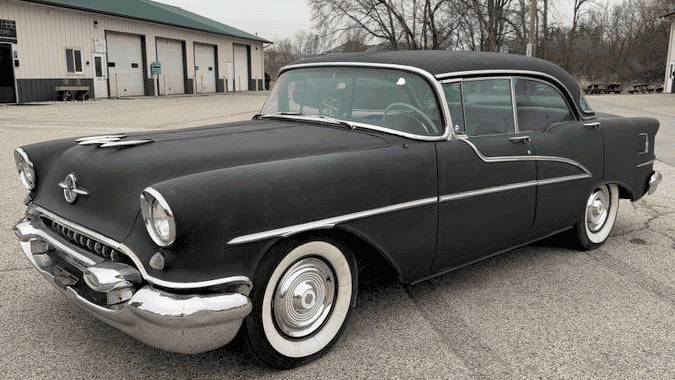
Kennedy was driving a 1967 Oldsmobile Delmont 88—reportedly belonging to his mother—along poorly lit, unpaved roads. At some point, he took a wrong turn and approached Dyke Bridge, a narrow, unguarded wooden structure without railings.
The car veered off the bridge and plunged into Poucha Pond. Kennedy later stated that he managed to escape the sinking vehicle but was unable to rescue Kopechne. He claimed to have made several attempts to dive back into the water before returning to shore.
The Most Controversial Detail: The Delay
Rather than immediately contacting authorities, Kennedy returned to the party and consulted with two associates. It was not until approximately 10 hours later—around 10:00 a.m. the next morning—that he reported the accident to police.
By that time, Kopechne’s body had already been discovered by a diver.
This delay became the central controversy of the case. Critics questioned why a sitting U.S. Senator did not report a fatal accident immediately. Kennedy later described himself as being in a state of shock and confusion, but many found this explanation insufficient.
What happened at Chappaquiddick with the Kennedys?

According to Kennedy’s own testimony he got lost and accidentally drove off the side of the one lane bridge. He says he managed to escaped and tried to save the woman, unsuccessfully. He then walked back to the party, passing several homes in which he could have notified police, in order to talk to his friends. They returned to the accident scene where they each tried to make contact with the car to check on the passenger. Again unsuccessfully. Kennedy swam across the channel and returned to his hotel. In the morning, reports indicate him acting as if nothing happened. Upon learning of the car’s discovery he contacted police and made a statement through an aid. Further investigation found the woman had died of suffocation, not drowning, again raising suspicion. In the end Kennedy received a two month suspended sentence for leaving the scene of an accident.

The Official Findings
An inquest and investigation followed. The key conclusions included:
- Kopechne died by drowning, not from impact injuries
- There was evidence suggesting she may have survived for some time in an air pocket inside the submerged car
- Kennedy pleaded guilty to leaving the scene of an accident
He received a two-month suspended sentence.
Despite the relatively light legal consequences, the incident severely damaged his reputation. A televised address days later showed Kennedy asking the public whether he should resign. Ultimately, he remained in office and continued his Senate career for decades.
Unanswered Questions and Theories
The Chappaquiddick incident has generated speculation for more than half a century. Some of the most debated questions include:
Why the delay?
Kennedy’s failure to report the accident immediately remains the most troubling aspect. Critics argue that faster action could have saved Kopechne’s life.
Was Kopechne alive longer than reported?
Expert testimony suggested she may have survived for hours in an air pocket, intensifying scrutiny over the timeline.
What was the true destination?
Kennedy claimed he was heading to a ferry, but some argued the route he took did not align with that explanation.
Was there a cover-up?
While no conclusive evidence has proven a coordinated cover-up, Kennedy’s political influence and the limited legal consequences fueled public suspicion.
Political Fallout and Legacy
For Ted Kennedy, the incident effectively ended any realistic chance of becoming President of the United States. As the youngest brother in a family that had already produced a president (John F. Kennedy) and a leading presidential candidate (Robert F. Kennedy), Ted had been widely viewed as a future contender.
Instead, Chappaquiddick became a defining shadow over his career.
Yet Kennedy remained a powerful figure in the Senate for decades, earning a reputation as a highly effective legislator. His legacy is therefore deeply complex—marked by both significant policy achievements and one of the most controversial personal scandals in American political history.
A Tragedy That Still Resonates
The death of Mary Jo Kopechne is at the center of the Chappaquiddick story. While the political implications often dominate discussion, the human loss remains the most important reality.
More than 50 years later, the incident continues to provoke debate—not just about what happened that night, but about how power, responsibility, and justice intersect in moments of crisis.
In the end, the Chappaquiddick incident is not just a historical footnote. It is a case study in how a single night can alter lives, careers, and public trust forever.